
You’ve budgeted for materials and labor—so why did your fence project end up costing more than expected? The truth is, fence installation involves more than just panels and posts. From permits to property line prep, a few overlooked details can quickly add up.
In this guide, we’ll uncover common hidden costs of fence installation and how to plan ahead so there are no surprises when your final bill arrives.
Common Hidden Costs Homeowners Don’t Expect
Even with careful planning, many homeowners are surprised by additional charges that don’t appear in the initial estimate. From permitting fees to site prep and hardware upgrades, these hidden costs can add up quickly if they are not accounted for ahead of time.
Understanding what to expect helps you budget more accurately and ensures a smoother fence installation experience.
Permits and Property Line Surveys
Before your fence can go up, your city or county may require a permit, and those fees can vary widely depending on where you live. Some municipalities also require an inspection once the fence is complete to ensure it meets height and setback requirements.
Another cost homeowners often overlook is a property line survey. If it’s been years since your property was last surveyed, hiring a professional to confirm boundaries can prevent disputes with neighbors and ensure the fence is placed correctly.
Tip: Always check your local building codes and homeowners’ association (HOA) rules before hiring a contractor. It is much easier to budget for these costs up front than deal with fines or fence relocation later.
Ground Preparation and Grading
Even the best installation plan can run into surprises once the digging begins. Hidden obstacles like large rocks, roots, or remnants of old fencing can slow down work and increase labor costs.
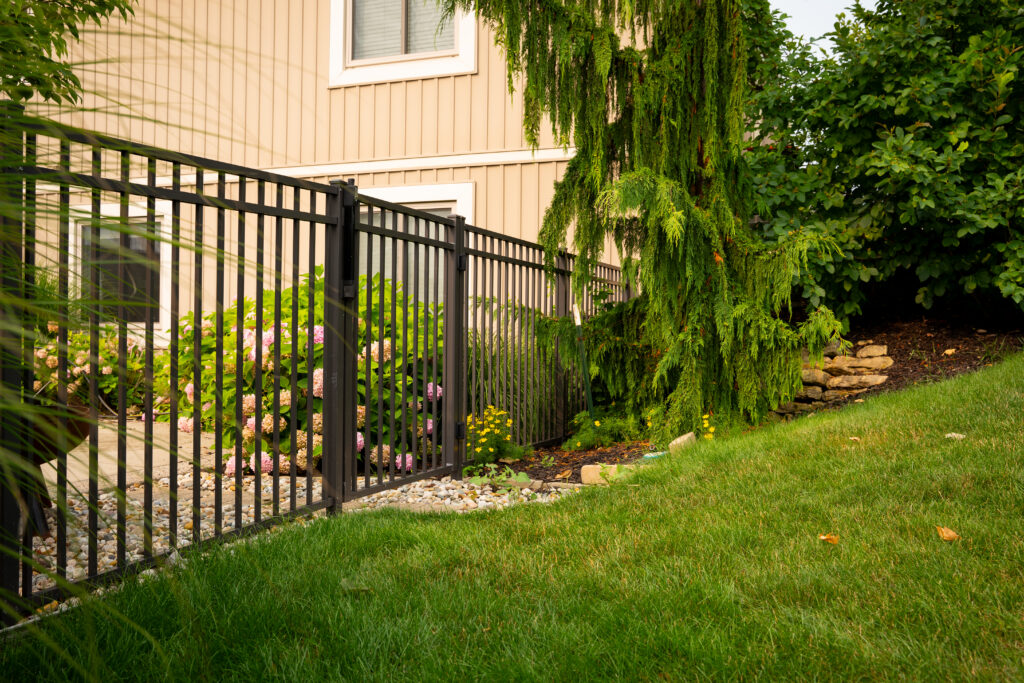
If your yard has uneven terrain or slopes, installers may need to level certain areas or adjust post depths to ensure a stable, even fence line. This extra grading or site prep often isn’t included in the initial estimate.
Tip: Ask your fencing contractor for a site evaluation before getting a final quote. It helps uncover potential challenges and gives you a more accurate picture of the total project cost.
Post Setting and Concrete Costs
The strength and longevity of your fence depend on how well the posts are set, but this is also where unexpected costs can sneak in. If your soil is rocky, clay-heavy, or uneven, installers may need to dig deeper post holes or use additional concrete for stability. These adjustments can increase both labor and material expenses.
Some projects may also require specialized equipment to drill through tough ground, adding another layer of cost that isn’t always included in initial quotes.
Tip: Before signing off on an estimate, ask your installer if their pricing includes post-depth considerations and concrete requirements for your specific soil type.
Gate Hardware and Custom Features
Gates are one of the most functional, and often most customized, parts of a fence. However, hardware like latches, locks, hinges, and handles are sometimes priced separately from the base installation. The same goes for decorative features such as arched tops, lattice panels, or accent posts.
If you’re adding automation or double gates, expect the cost to increase further due to extra materials and electrical work. These upgrades add convenience and curb appeal but should be factored into your total budget early on.
Tip: Discuss your gate style, hardware preferences, and any custom details upfront so your estimate accurately reflects your design and functionality goals.
Hauling and Disposal Fees
Tearing down an old fence or clearing your yard for a new one often comes with more cleanup than homeowners expect. Disposing of old materials, extra dirt, or debris typically isn’t included in the base installation quote. Depending on the amount of waste and local disposal fees, these costs can add up quickly, especially for large properties or older fences that require full removal.
Some contractors handle hauling and disposal, while others leave it to the homeowner. Clarifying this detail early prevents surprise charges once the job is complete.
Tip: Always confirm who’s responsible for cleanup and debris removal in your contract before the project begins.
Weather or Seasonal Delays
Fence installation is heavily influenced by Michigan’s unpredictable weather. Heavy rain, frost, or early snow can delay digging, setting posts, and curing concrete, sometimes pushing back your project timeline by days or even weeks.
These delays can translate into higher labor costs if crews need to return multiple times.
Tip: Schedule installations during optimal weather months to minimize potential delays and keep your project on track.
How to Avoid Surprise Costs
The best way to prevent hidden expenses is through preparation and clear communication.
Before committing to a fence contractor, take time to compare multiple detailed quotes, on both the price and what is actually included. Some estimates might look lower upfront but leave out key items like permits, gate hardware, or cleanup fees.
Ask direct questions about what’s covered and what’s excluded in your estimate. Having this clarity allows you to choose the contractor who offers the best overall value and not just the lowest price.
A pre-installation site inspection is also valuable, especially if your yard has uneven terrain, large roots, or existing fencing that needs removal. A walkthrough helps contractors identify potential challenges ahead of time, saving you from last-minute add-ons.
Plan Smart and Avoid Hidden Costs
Understanding the hidden expenses that come with fence installation helps you plan smarter, stay on top of budget, and avoid unnecessary stress. When you know what to expect, you can make informed decisions and keep your project on track.
Ready to start your fencing project with no surprises? Contact Straight Line Fence today for a transparent quote and expert installation built to last.